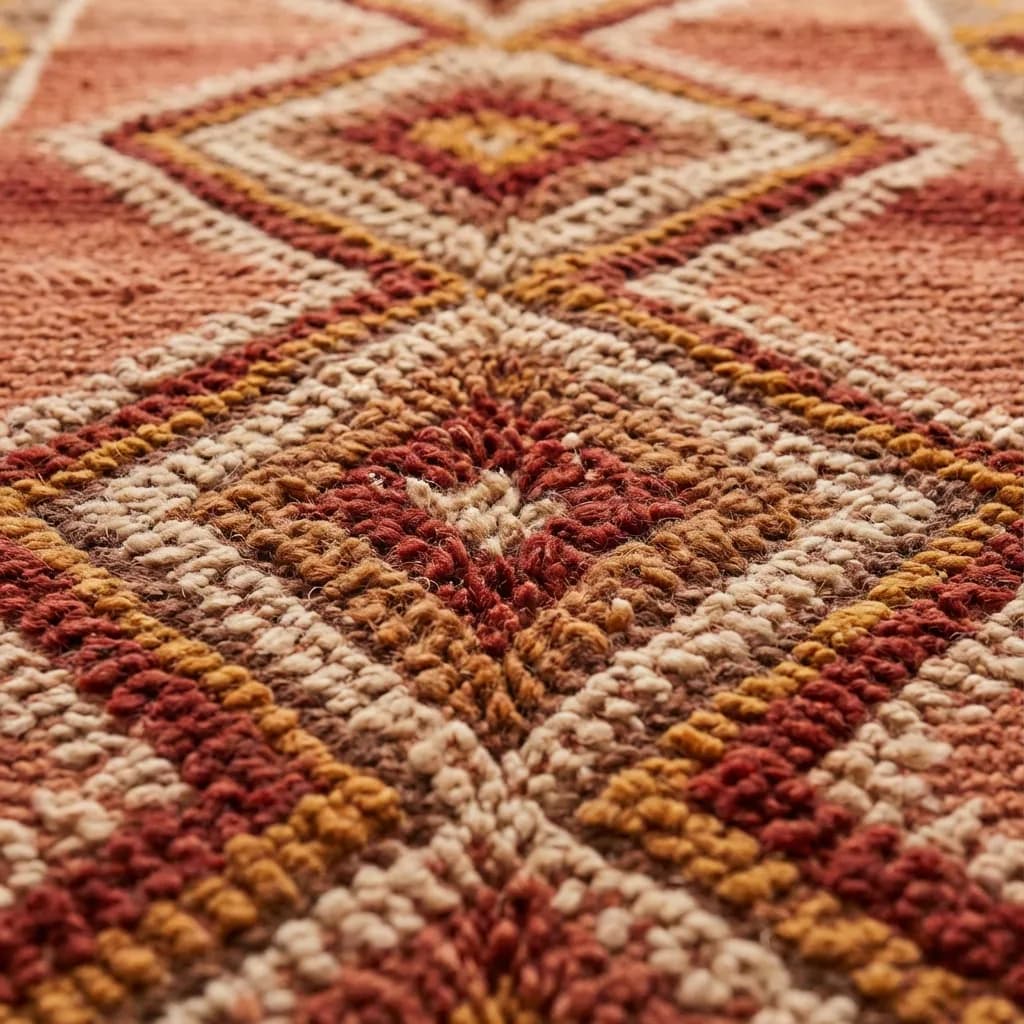
The History of Berber Weaving: A Tradition Across Millennia
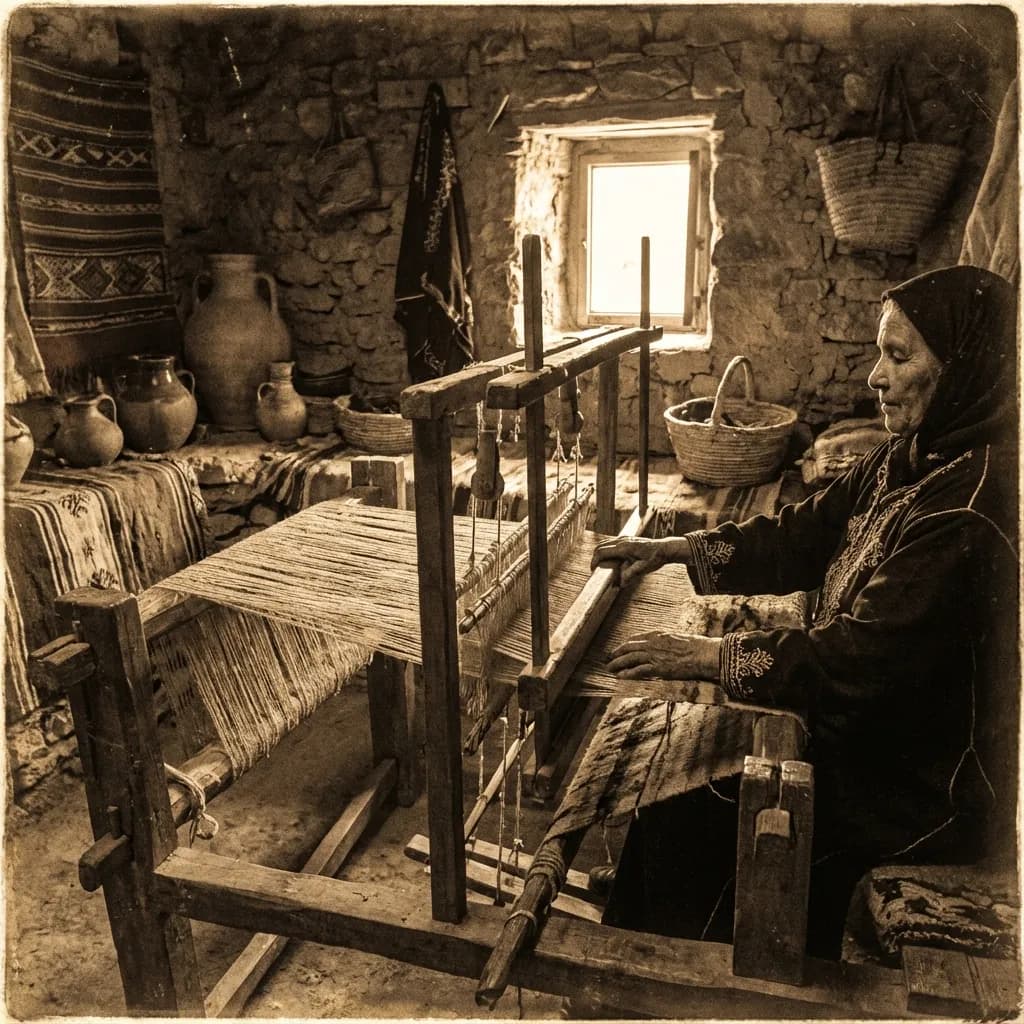
The History of Berber Weaving: A Tradition Across Millennia
The art of Berber weaving is one of the oldest textile traditions in the world. For the Amazigh (the "Free People") of North Africa, weaving has been a central pillar of life for over 3,000 years.
Ancient Origins
Long before the arrival of Arab or European influences, the indigenous Amazigh people inhabited the vast stretches of North Africa, from the Atlantic coast to the Egyptian border. In the rugged Atlas Mountains, weaving was a practical necessity.
Wool from ancestral sheep breeds and silk from indigenous plants provided warmth against the mountain chill and protection from the desert sun.
A Female Lineage
Weaving is traditionally a female art form. A mother passes her skills, her "Baraka" (blessing), and her repertoire of symbols down to her daughter. Each tribe—the Beni Ourain, the Azilal, the Zemmour—developed its own distinct "dialect" of patterns.
The Language of the Loom
In a traditional Berber village, the loom is considered a sacred object. The process of weaving is likened to a life cycle:
- Birth: Preparing the warp threads.
- Life: The act of weaving the patterns.
- Death: Cutting the finished textile from the loom.
Through these textiles, women told stories that could not be written. They wove their hopes for marriage, their prayers for rain, and their protection against the "Evil Eye."
The Arrival of Cactus Silk
While wool remains the most common material for rugs, "Sabra" or cactus silk became the preferred choice for lighter textiles and decorative items. The ability to extract silk-like fibers from the Saharan Aloe Vera cactus allowed weavers to create lustrous, durable pieces that could be easily dyed with saffron, pomegranate, and indigo.
Modern Recognition
In the early 20th century, European artists like Henri Matisse and architects like Le Corbusier fell in love with Berber textiles. They saw in the abstract, asymmetric patterns a precursor to modern minimalism.
Today, SabraLoom is proud to continue this 3,000-year-old tradition. By bringing these pillows to your home, we are helping to ensure that the "Free People" of the Atlas Mountains can continue their millenary craft for generations to come.