Decoding Berber Symbols: The Stories Behind the Patterns
Decoding Berber Symbols: The Stories Behind the Patterns
Berber textiles are more than beautiful decorations—they're a visual language that has communicated stories, beliefs, and cultural identity for centuries.
The Language of Symbols
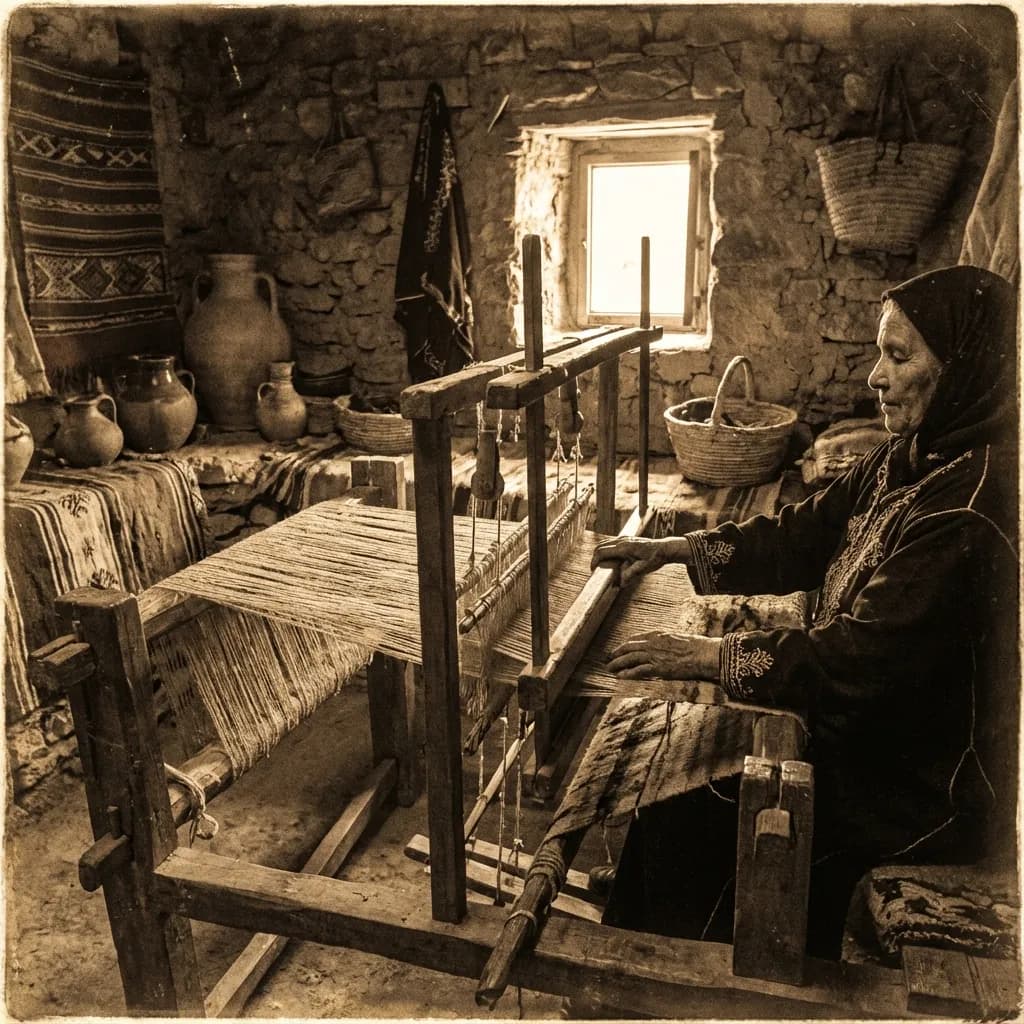
Berber women have used weaving as a form of expression for generations. Unable to write in the past, they encoded their experiences, hopes, and beliefs into the textiles they created.
Common Berber Symbols
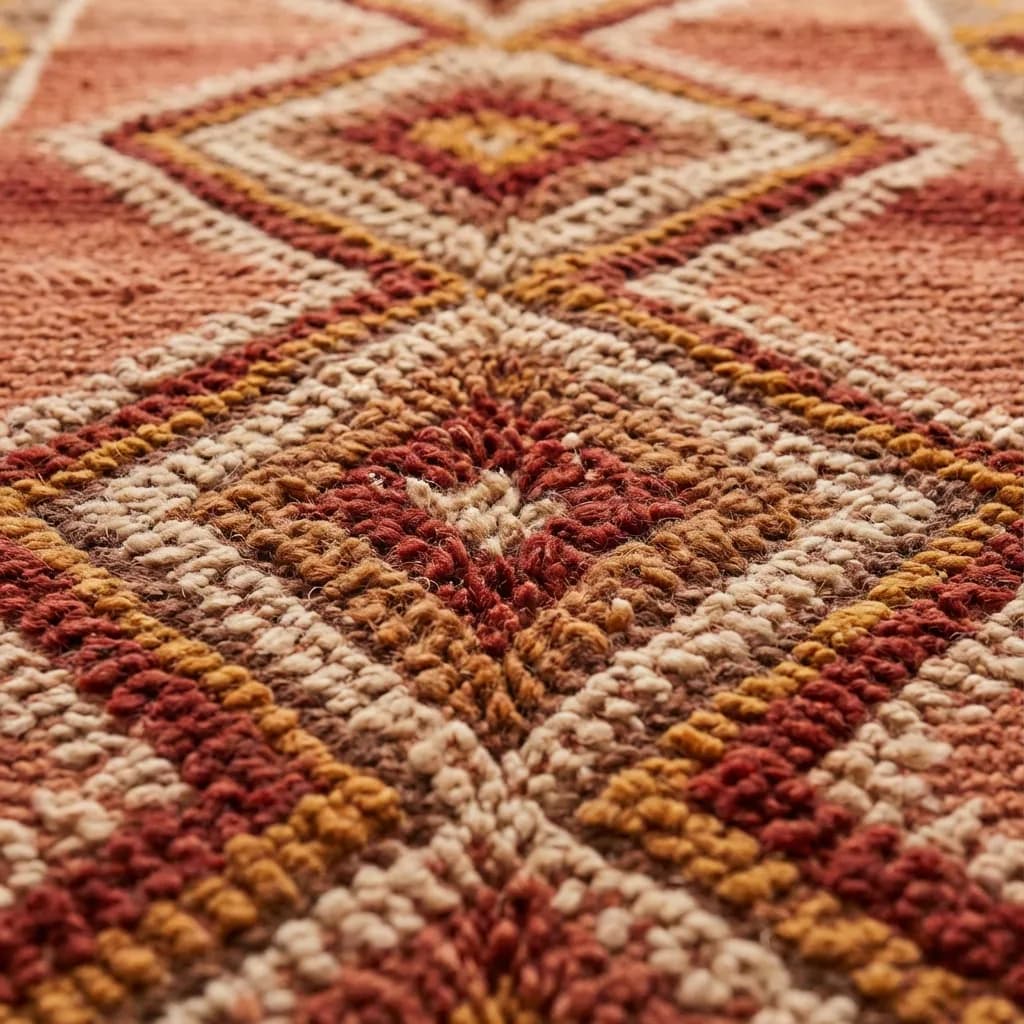
The Diamond (Lozenge)
Meaning: Femininity, protection, the eye
The diamond shape is one of the most common motifs. It represents:
- The evil eye (protection against negative energy)
- Femininity and fertility
- The window to the soul
The Zigzag
Meaning: Water, life, movement
In the arid Atlas Mountains, water is precious. The zigzag represents:
- Rivers and streams
- The flow of life
- Movement and change
- Fertility and abundance
The Cross
Meaning: The four cardinal directions, balance
The cross symbol appears frequently and represents:
- North, South, East, West
- Balance and harmony
- The meeting point of earth and sky
- Protection from all directions
The Baraka (Blessing Hand)
Meaning: Divine blessing, protection
Often stylized as a hand shape, this symbol brings:
- Good fortune
- Protection from harm
- Divine blessing
- Spiritual power
The Comb
Meaning: Femininity, fertility
The comb motif represents:
- Female beauty and grooming
- Fertility and motherhood
- Preparation for marriage
- Feminine power
The Eye
Meaning: Protection, awareness
Eye symbols ward off evil and represent:
- Protection from the evil eye
- Awareness and vigilance
- Spiritual sight
- Guardian spirits
Regional Variations
Different Berber tribes have their own symbolic languages:
Beni Ourain
- Geometric patterns
- Black and white contrast
- Minimalist designs
- Focus on diamonds and lines
Azilal
- Colorful, abstract designs
- Free-form patterns
- Personal expression
- Modern interpretations
Boucherouite
- Recycled fabric strips
- Vibrant colors
- Eclectic patterns
- Contemporary feel
Reading a Textile
When you look at a Berber textile, you're reading a story. Consider:
- Dominant symbols: What appears most frequently?
- Color choices: What emotions do they evoke?
- Pattern density: Is it busy or minimal?
- Symmetry: Is it balanced or asymmetrical?
The Personal Touch
Each weaver adds her personal story:
- Life experiences
- Dreams and aspirations
- Family history
- Current emotions
This is why no two pieces are identical—each carries the weaver's unique voice.
Modern Interpretations
Contemporary weavers balance tradition with innovation:
- Maintaining symbolic meanings
- Experimenting with new patterns
- Adapting to modern aesthetics
- Preserving cultural significance
Honoring the Tradition
When you own a Berber textile, you're a custodian of this cultural heritage. You can:
- Learn the symbols' meanings
- Share the stories with visitors
- Appreciate the cultural context
- Support authentic artisans
Your pillow isn't just decor—it's a piece of living history, a cultural artifact, and a personal expression from an artisan who poured her story into every stitch.