Sustainability6 min read
Why Sustainable Home Decor Matters (And How to Start)
By Emma Green•
Why Sustainable Home Decor Matters (And How to Start)
The choices we make for our homes have far-reaching impacts. Here's why sustainable home decor matters and how you can make a difference.
The Problem with Fast Decor
Like fast fashion, "fast decor" has environmental and social costs:
- Mass production: High carbon footprint
- Synthetic materials: Non-biodegradable waste
- Poor labor conditions: Exploitation of workers
- Short lifespan: Designed for obsolescence
- Chemical treatments: Harmful to health and environment
The Benefits of Sustainable Choices
Environmental Impact
- Reduced carbon footprint
- Less waste in landfills
- Conservation of natural resources
- Support for eco-friendly practices
Social Impact
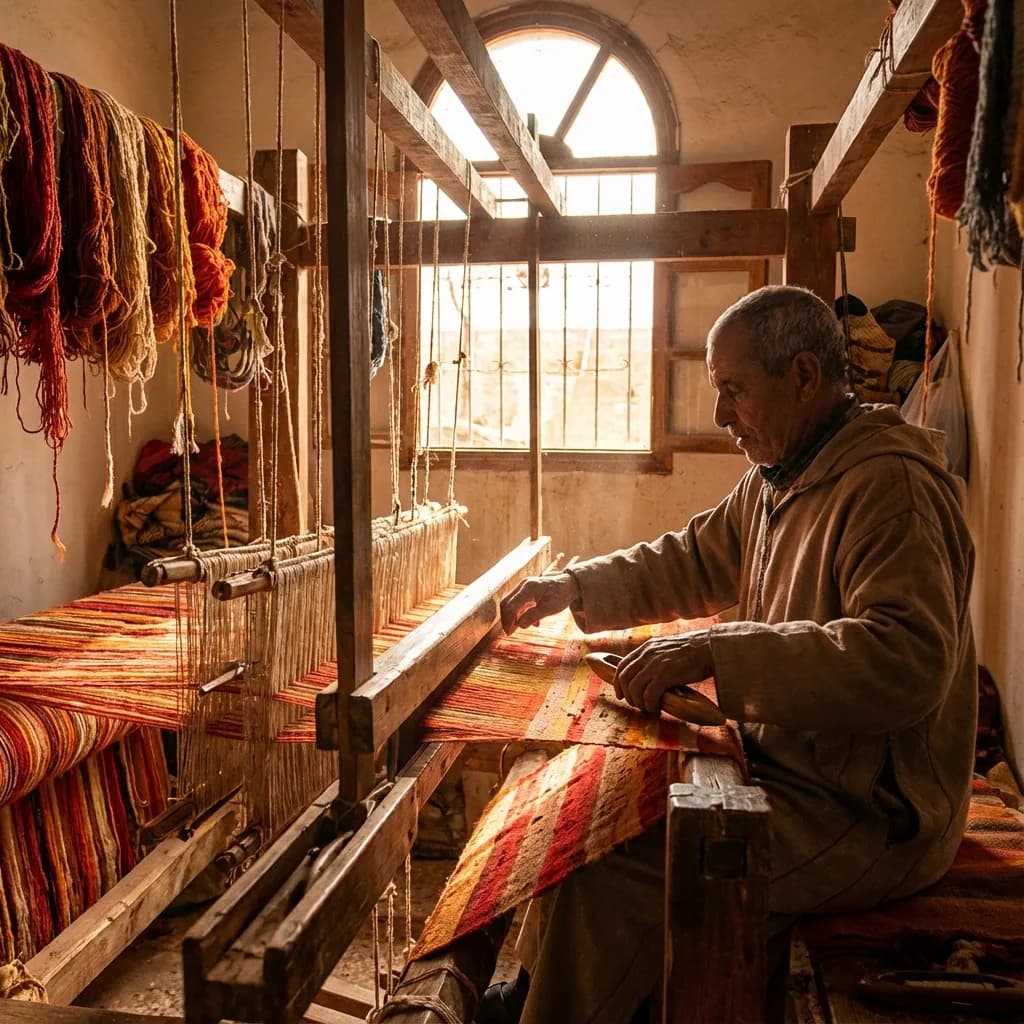
- Fair wages for artisans
- Preservation of traditional crafts
- Community development
- Cultural heritage protection
Personal Benefits
- Higher quality, longer-lasting pieces
- Unique, one-of-a-kind items
- Healthier home environment
- Meaningful stories behind your decor
How to Start
1. Buy Less, Choose Well
Quality over quantity:
- Invest in timeless pieces
- Choose durable materials
- Select versatile designs
- Avoid trendy items that quickly date
2. Support Artisans
Choose handmade over mass-produced:
- Direct trade with makers
- Fair trade certified products
- Local artisans and craftspeople
- Transparent supply chains
3. Choose Natural Materials
Opt for sustainable materials:
- Natural fibers: Cotton, linen, wool, cactus silk
- Sustainable wood: FSC-certified, reclaimed
- Natural dyes: Plant-based pigments
- Recycled materials: Upcycled textiles
4. Consider the Full Lifecycle
Think beyond the purchase:
- How was it made?
- How will you care for it?
- Can it be repaired?
- What happens when you're done with it?
5. Shop Secondhand
Give items a second life:
- Vintage and antique shops
- Online marketplaces
- Estate sales
- Thrift stores
Sustainable Materials Guide
Textiles
- Organic cotton: No pesticides, less water
- Linen: Biodegradable, low-impact
- Hemp: Fast-growing, sustainable
- Cactus silk: Renewable, traditional
- Wool: Natural, biodegradable
Wood
- Bamboo: Fast-growing, renewable
- Reclaimed wood: Reduces waste
- FSC-certified: Responsibly sourced
- Local hardwoods: Lower transport impact
Other Materials
- Natural stone: Durable, timeless
- Clay and ceramics: Earth-friendly
- Natural rubber: Sustainable alternative
- Cork: Renewable, biodegradable
Red Flags to Avoid
Be wary of:
- Vague "eco-friendly" claims without certification
- Extremely low prices (often indicate poor labor conditions)
- Synthetic materials marketed as natural
- Lack of transparency about sourcing
Making the Transition
You don't have to replace everything at once:
- Start small: Replace one item at a time
- Prioritize: Focus on high-impact items first
- Research: Learn about brands and materials
- Be patient: Quality takes time to find
- Enjoy the journey: Each piece has a story
The Ripple Effect
Your choices matter:
- Influence market demand
- Support ethical businesses
- Inspire others
- Create positive change
Sustainable Doesn't Mean Boring
Sustainable decor can be:
- Beautiful and stylish
- Unique and personal
- High-quality and luxurious
- Culturally rich and meaningful
Resources
- Fair Trade certification websites
- Sustainable material guides
- Artisan marketplace platforms
- Environmental impact calculators
Remember: Sustainable living is a journey, not a destination. Every conscious choice makes a difference, no matter how small.
Tags:
#sustainability#eco-friendly#ethical shopping#conscious living